The Environmental Impact of Regenerated Yarns: Facts You Need to Know
17 June 2025
Premium Yarn from Textile Waste: The Secret of Eco-Friendly Production
21 June 2025Regenerated yarns are becoming a rapidly growing segment in the international textile market, driven by sustainability trends. Produced from recycled cotton and polyester fibers, these yarns are in high demand particularly in European and American markets due to growing environmental concerns and increased consumer awareness. Technological developments are raising quality standards, while certification requirements play a critical role in market entry. Continuous growth is expected in the coming period.
As the textile industry undergoes a profound transformation in search of sustainability, regenerated yarns are gaining a strategic position in the global market. This shift is taking place during a time when environmental concerns are rising and consumers are making more conscious choices. Accordingly, yarns produced from recycled cotton and polyester fibers are setting new standards in the industry by offering an alternative to traditional production methods.
This article explores in detail the current state of regenerated yarns in international markets, growth trends, and future potential. Readers will gain deep insights into the dynamics of the sustainability movement in the global textile industry, market opportunities, and competitive conditions. Furthermore, the challenges faced by regenerated yarn producers and the key factors behind their success are thoroughly addressed.
The Regenerated Yarn Revolution in the Global Textile Industry
 The global textile market is rapidly shifting from conventional production methods to environmentally friendly alternatives. This transition is gaining momentum particularly in Europe and North America. As a result, regenerated yarn producers are experiencing increased demand in these regions.
Yarns made from recycled fibers significantly reduce raw material consumption and environmental footprint. This is especially crucial for large textile brands aiming to meet their sustainability goals. In fact, many international brands are now prioritizing the use of regenerated yarns in their supply chains.
Market Size and Growth Projections
The regenerated yarn market is exhibiting rapid growth worldwide, especially in developed countries. However, emerging markets are also showing significant growth potential as they join this trend.
According to market analysts, the demand for sustainable textile products is experiencing double-digit annual growth. This expansion is driven by both increased consumer awareness and tighter regulatory frameworks. Meanwhile, technological advancements are reducing production costs and enhancing the competitiveness of regenerated yarns.
Regional Market Dynamics and Opportunities
The European market maintains a leading position in the demand for regenerated yarns, supported by strict environmental regulations. The EU’s circular economy strategy includes policies that encourage the use of recycled textile products, making Europe a reliable and growing market for regenerated yarn producers.
The Asia-Pacific region stands out as both a producer and consumer market. Countries like China and India, traditionally major textile producers, are now investing in regenerated yarn technologies. The American market is also showing increased interest in regenerated yarns in line with sustainability trends.
The Impact of Technological Innovations on the Market
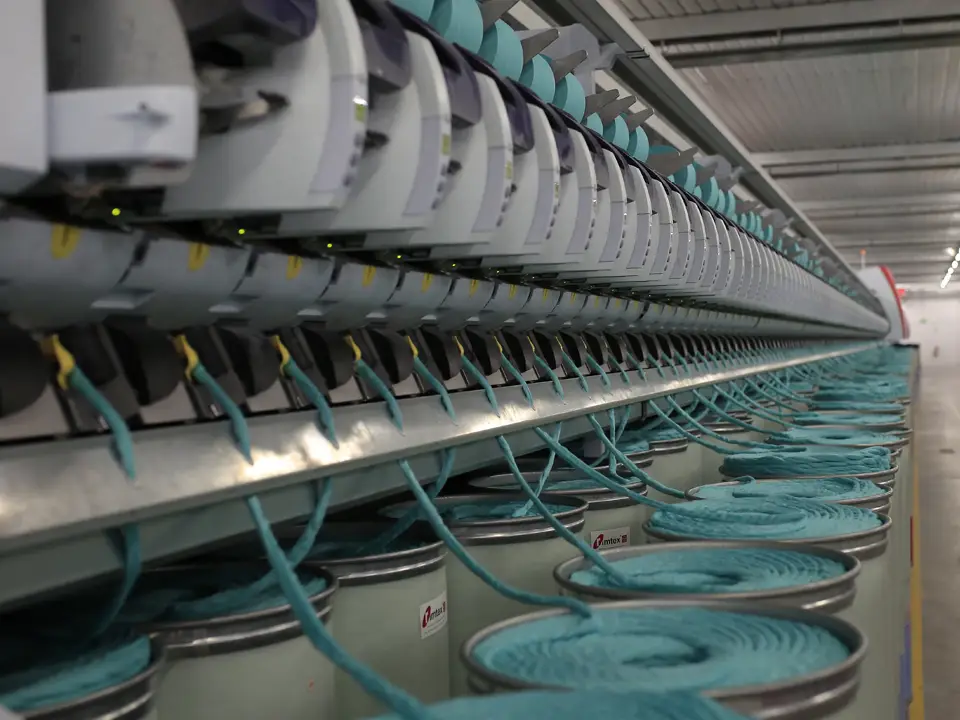
Open-end spinning technology is revolutionizing regenerated yarn production by improving quality standards. Thanks to this technology, recycled fibers are transformed into more homogeneous and durable yarns. Similarly, advancements in color blending technologies are offering customers a wide range of color options.
Automation systems are boosting production efficiency while enhancing quality control processes. These developments enable regenerated yarn producers to remain competitive in international markets. Moreover, sustainable production processes reduce energy consumption, creating a cost advantage.
Quality Standards and Certification Requirements
To succeed in international markets, regenerated yarn producers must meet various quality standards. Certifications such as OEKO-TEX, GOTS, and Cradle to Cradle are critical for market entry. These certifications guarantee the environmental and social responsibility of the products.
Quality control procedures must be meticulously applied at every stage, from raw material selection to the final product. Technical specifications such as yarn strength, colorfastness, and fiber composition must comply with international standards. Likewise, the environmental impact of production processes must be kept to a minimum.
The Market Impact of Sustainability Trends
Changes in consumer behavior are a major driving force behind the growth of the regenerated yarn market. Environmentally conscious consumers are more willing to pay a premium for sustainable products. This trend is especially evident among younger generations.
Corporate sustainability goals are prompting major brands to revise their supply chains. As a result, regenerated yarn suppliers have the opportunity to secure long-term contracts. At the same time, mandatory sustainability reporting is encouraging companies to act more transparently and responsibly.
Competitive Landscape and Market Players
 The global regenerated yarn market features competition between both established textile producers and new entrants. Incumbent players are modernizing their existing infrastructure to stay competitive, while innovative startups are gaining market share by developing disruptive technologies.
Key competitive factors include quality, cost, delivery time, and customer service. Additionally, sustainability performance and a robust certification portfolio are becoming critical competitive elements. Strategic partnerships and vertical integration are among the preferred growth strategies of market players.
Future Outlook and Market Potential
The regenerated yarn market is expected to maintain steady growth over the next decade. Tighter regulations, technological advancements, and increasing consumer awareness will support this growth. Furthermore, the discovery of new application areas will contribute to market expansion.
The integration of digital technologies into the textile industry will create new opportunities for regenerated yarn producers. Traceability systems will enhance supply chain transparency and build customer trust. In addition, AI-powered quality control systems will further improve production efficiency.
Conclusion
The role of regenerated yarns in the international market is gaining strategic importance as sustainability trends strengthen. This market is shaping the future of the textile industry in terms of both environmental responsibility and economic opportunity. Therefore, producers operating in this field should continue investing in quality, innovation, and sustainability.
The success of the regenerated yarn sector depends on collaboration and coordination among all stakeholders. Producers, brands, consumers, and regulatory authorities must work together to develop a sustainable textile ecosystem. In this context, technological innovations and sustainable production practices will enhance the industry’s competitiveness and strengthen its global position.