Sustainability and Quality: Recycled Yarn
14 June 2025
The International Success Story of Recycled Yarns
19 June 2025Regenerated yarns offer eco-friendly solutions by transforming textile waste into valuable products. Compared to traditional production, they reduce carbon emissions by up to 70% and save 90% water, while enabling circular waste management. This technology minimizes chemical use, supports biodiversity, and ensures energy efficiency. It shapes the future of sustainable textiles by combining environmental responsibility with economic profitability.
The textile industry is considered one of the largest polluting sectors in the world. However, in recent years, with advancing technologies and increasing environmental awareness, the industry has started moving toward sustainable production methods. At the center of this transformation, regenerated yarns offer a revolutionary solution by converting textile waste into valuable raw materials.
This article comprehensively examines the environmental impacts of regenerated yarns. We will detail how this innovative production method reduces carbon footprint, decreases water consumption, and revolutionizes waste management. Additionally, it presents important insights into the future potential of regenerated yarn technology and its contribution to the textile industry’s sustainability goals.
What Are Regenerated Yarns and How Are They Produced?
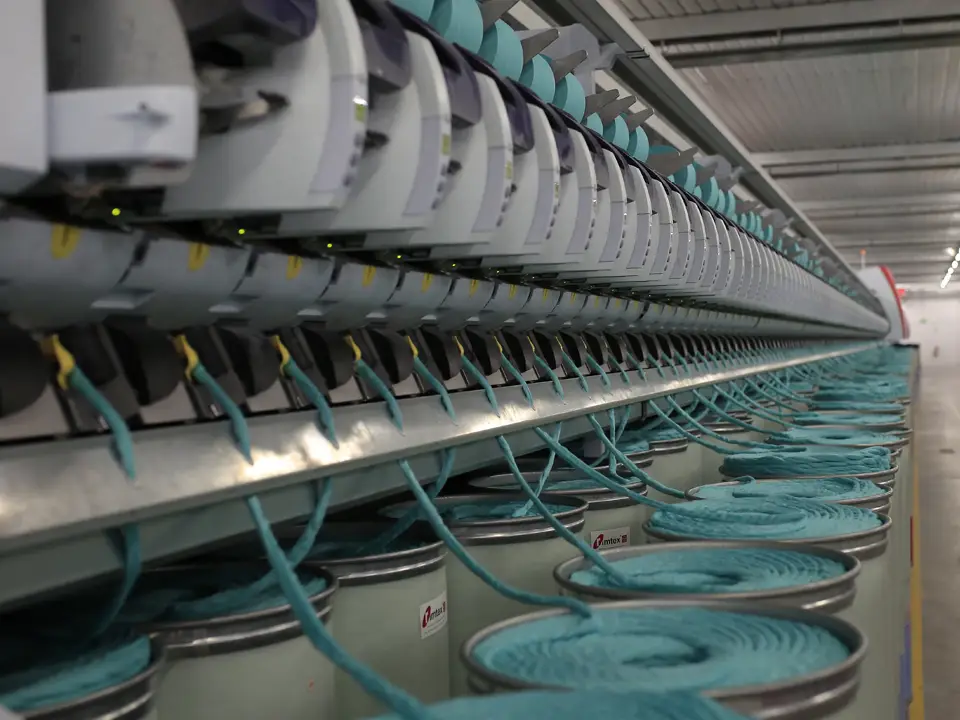
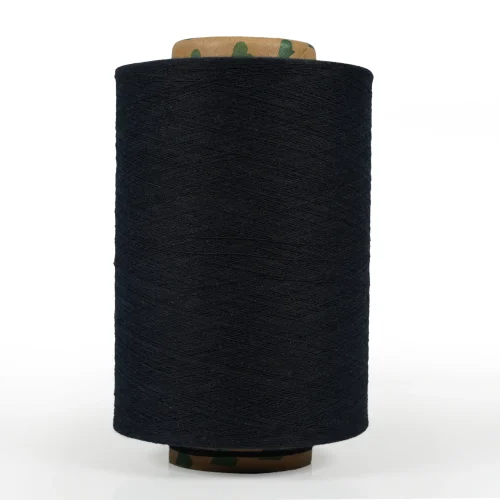 Regenerated yarns are produced by reprocessing used textile products through mechanical or chemical methods. This production process enables the recovery of cotton, polyester, and other synthetic fibers. Especially regenerated yarns produced using open-end (rotor) spinning technology meet high-quality standards.
The process begins with the collection and sorting of textile waste. These materials are then shredded into fibers using specialized machines. Finally, these fibers are converted back into yarn using modern spinning techniques. Compared to traditional yarn production, this process requires significantly fewer resources.
A Critical Role in Reducing the Carbon Footprint
Regenerated yarn production significantly reduces the carbon footprint compared to traditional methods. This is mainly due to the elimination of raw material cultivation and reduced energy consumption. Traditional cotton production requires fertilizers, pesticides, and irrigation systems, all contributing to high greenhouse gas emissions.
In contrast, regenerated yarn production reuses existing materials, avoiding these emissions. Research shows that regenerated cotton yarn production can reduce carbon emissions by up to 70% compared to conventional cotton yarn. This allows the textile industry to make a meaningful contribution to combating climate change.
Revolutionary Water Savings
Excessive water consumption is one of the textile industry’s most critical environmental issues. Traditional cotton production requires about 2,700 liters of water per kilogram of cotton. Regenerated yarn production virtually eliminates this need.
Moreover, the water used during the regenerated yarn process is minimal, as it does not involve water-intensive steps like planting, maintenance, and harvesting. As a result, companies using regenerated yarns can reduce their water footprint by up to 90%. This savings is especially crucial in regions facing water scarcity.
A Circular Economy Model in Waste Management
Regenerated yarn production is an excellent example of circular economy principles. This production method redefines the concept of “waste” by transforming used textile products into valuable raw materials. As a result, the volume of textile waste sent to landfills is significantly reduced.
Moreover, regenerated yarn supports the industry’s shift from the linear “take-make-dispose” model to a circular model. This approach allows for more efficient resource use while reducing the need for new raw materials. Consequently, it helps preserve natural resources while creating economic value.
Minimizing Chemical Usage
Pesticides, fertilizers, and dyes used in traditional textile production cause severe environmental problems. Regenerated yarn production significantly reduces the use of these chemicals. Since no raw material cultivation is needed, agricultural chemicals are not required.
Furthermore, modern regenerated yarn production uses eco-friendly dyeing and processing methods. These require far fewer chemicals compared to conventional methods. As a result, water resources are better protected against chemical pollution.
Positive Impact on Biodiversity
Regenerated yarn production indirectly yet significantly contributes to biodiversity conservation. Large areas used for traditional cotton farming often lead to the destruction of natural habitats. The increased use of regenerated yarn reduces the need for new cotton fields.
Additionally, the reduced use of pesticides supports the survival of pollinators like bees. This is vital for the healthy functioning of ecosystems. Thus, regenerated yarns are not only a solution for waste reduction but also for protecting biodiversity.
Energy Efficiency and Renewable Energy Integration
Regenerated yarn production facilities consume 40–60% less energy than traditional ones. This increased efficiency is due to optimized processes and modern technologies. Moreover, many regenerated yarn producers are investing in renewable energy sources.
Clean energy technologies like solar panels and wind turbines are commonly used in these facilities. This integration enables the production process to become carbon neutral. As a result, regenerated yarn sets an example in sustainable energy use as well.
Social and Economic Sustainability
 Beyond environmental benefits, regenerated yarns contribute to social and economic sustainability. The sector creates new job opportunities, especially in waste collection and processing. It also supports the development of local economies.
Additionally, production costs of regenerated yarns are decreasing over time, providing competitive advantages. This proves that sustainable production can also be economically viable. Ultimately, environmental responsibility and profitability can go hand in hand.
Future Outlook and Technological Innovations
Regenerated yarn technologies are constantly evolving. The integration of artificial intelligence and machine learning enhances production efficiency. New recycling methods are also enabling the production of even higher-quality yarns.
In the future, regenerated yarns are expected to become the standard in the textile industry. This transformation will play a critical role in achieving global environmental goals. In short, regenerated yarn technology will continue to be the cornerstone of sustainable fashion and textile production.
Conclusion
The environmental impact of regenerated yarns clearly highlights their contribution to a sustainable future in the textile industry. Benefits such as reduced carbon emissions, water savings, efficient waste management, and minimal chemical use underscore the importance of this technology. Regenerated yarns strike the perfect balance between environmental responsibility and economic efficiency, leading the transformation of the industry.
For textile companies, investing in regenerated yarn technology is not only an environmental choice but also a strategic path to gaining a competitive edge. The widespread adoption of this technology is critical for leaving a cleaner environment for future generations. Understanding and supporting regenerated yarn technologies is essential for building a sustainable future.