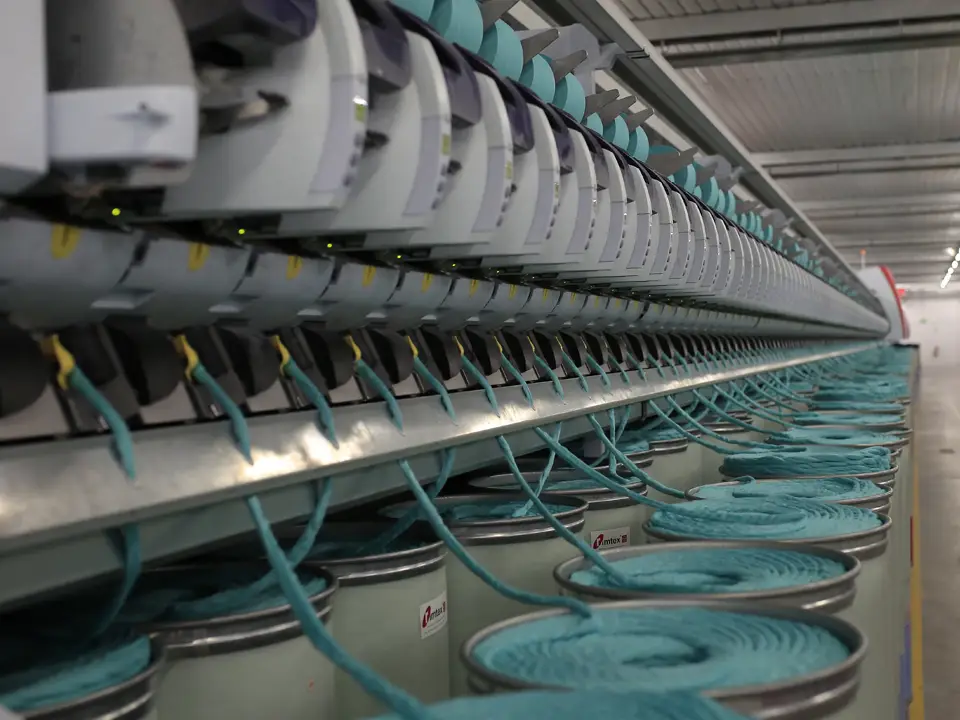
The International Success Story of Recycled Yarns
19 June 2025Recycled yarns play a critical role in increasing environmental awareness in the textile industry. These yarns, produced from waste textile materials, save up to 70% water and significantly reduce carbon emissions. At Seryaman Textile, we produce recycled yarns in counts ranging from Ne 6/1 to Ne 30/1 and offer more than 99 color options to provide eco-friendly solutions to our customers. Sustainable textile production is the most valuable legacy we can leave to future generations.
The textile industry is considered one of the largest polluting sectors globally. However, thanks to recent technological advancements and increased environmental awareness, recycled yarns are offering effective solutions to this issue. This article comprehensively examines the environmental impacts of recycled yarns, their production processes, and the transformation they are bringing to the textile industry.
At Seryaman Textile, we have been producing open-end yarns from recycled cotton and polyester fibers for many years. In this article, readers will learn about the environmental benefits of recycled yarns, understand the importance of sustainable textile production, and explore future textile trends.
What Is Recycled Yarn and How Is It Produced?
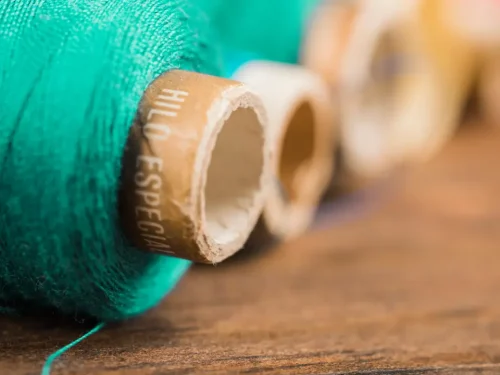 Recycled yarns are types of yarns produced from fibers obtained from used textile products or production waste. First, textile waste materials are collected and subjected to quality control processes. These materials are then shredded using special machines and converted back into fiber form.
At Seryaman Textile, this process is carried out with great care. We also produce recycled yarns in various counts ranging from Ne 6/1 to Ne 30/1. This allows our customers to choose the appropriate yarn thickness for different textile products.
Environmental Benefits: The Greatest Gift to Nature
The use of recycled yarns provides many critical environmental benefits. First, it prevents textile waste from decaying in landfills, thereby reducing soil pollution. Similarly, it contributes to the conservation of natural resources by reducing the need for new raw materials.
Compared to traditional yarn production, recycled yarns require up to 70% less water. Moreover, this production method saves energy and significantly reduces carbon emissions. As a result, using each kilogram of recycled yarn prevents approximately 3.5 kg of CO2 emissions.
A Sustainability Revolution in the Textile Industry
The textile industry is undergoing a major transformation thanks to recycled yarns. Especially, the sustainability policies of fashion brands have increased the demand for recycled yarns. This situation has led to the widespread adoption of environmentally friendly production standards in the sector.
As one of the leading companies in this transformation, Seryaman Textile offers over 99 color options. In addition, we produce various fabric types such as jacquard interlock, two-thread, and three-thread using recycled yarns. Thus, our customers can choose eco-friendly products without compromising on quality and aesthetics.
Economic Advantages: Cost-Effective Eco-Friendly Production
Recycled yarns offer not only environmental but also economic benefits. Primarily, they reduce raw material costs, thereby lowering production expenses. Additionally, they minimize waste management costs, increasing business profitability.
Furthermore, they are ideal for meeting the growing demand from environmentally conscious consumer segments. Therefore, companies using recycled yarns gain a competitive advantage in the market. Ultimately, it is a profitable solution for both the environment and businesses.
Quality Standards: International Certifications and Assurance
Quality control processes are extremely important in the production of recycled yarns. At Seryaman Textile, we produce all our products in compliance with international quality and environmental certifications. These certifications guarantee the reliability and eco-friendly features of our products.
Moreover, we continuously monitor yarn durability, color fastness, and fabric quality using modern testing equipment. This ensures our customers receive recycled yarns of the highest quality.
Future Trends and Technological Developments
 The recycled yarn sector is continuously evolving with technological advancements. AI-assisted production processes, waste separation technologies, and new recycling methods are shaping the future of the industry. These developments are enhancing production efficiency and expanding eco-friendly production capacity.
At the same time, bio-based recycling technologies and chemical recycling methods are delivering promising results. Thanks to these innovations, nearly 100% of textile waste may be recycled in the future.
Conclusion
Recycled yarns play a critical role in raising environmental awareness in the textile industry. The benefits we discussed in this article show that recycled yarns not only offer environmental protection but also excel in economic and quality aspects. As Seryaman Textile, we will continue to lead the way in sustainable textile production.
The future of the textile industry is being shaped by recycling technologies and eco-friendly production methods. Taking part in this transformation is vital for both protecting our planet and ensuring the sector’s sustainable growth. Therefore, choosing recycled yarns is not merely a production decision—it is part of the legacy we leave for future generations.