

Why Are Recycled Yarns So Durable?
10 June 2025
Sustainability and Quality: Recycled Yarn
14 June 2025Regenerated yarn production offers innovative, eco-friendly solutions in the textile industry. Derived from recycled materials, these yarns provide significant environmental advantages over conventional methods. With benefits like water conservation, energy efficiency, and reduced carbon emissions, regenerated yarns form the foundation of sustainable textile manufacturing. Thanks to modern technologies, they are also competitive in quality and performance, making them essential elements of the textile industry’s future.
The textile industry is known as one of the sectors causing the most environmental pollution worldwide. However, recent technological advancements and growing environmental awareness offer significant opportunities to change this situation. Regenerated yarn production stands out as an innovative approach at the heart of this transformation.
This article thoroughly explores the eco-friendly features of regenerated yarn. You will discover the differences between traditional and regenerated yarn production and gain detailed insights into topics like water conservation and energy efficiency. Additionally, the article highlights the positive effects of regenerated yarns on carbon footprints and their role in the future of the textile industry.
What Is Regenerated Yarn and How Is It Produced?
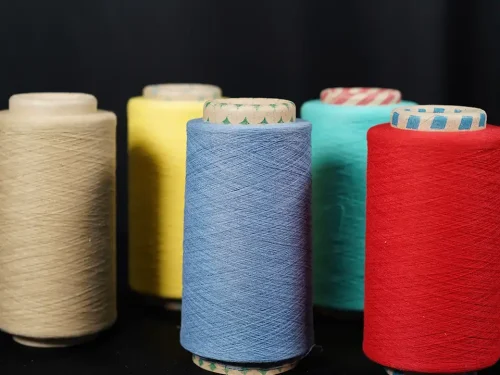 Regenerated yarn is an environmentally friendly production method derived from recycled textile waste. This process involves reprocessing waste cotton fabrics and other textile materials into new yarns. Pioneering companies like Seryaman Textile utilize this technology to produce sustainable textiles.
The production process begins with the collection and classification of textile waste. These materials are then shredded into fibers using specialized machinery. The fibers undergo cleaning and separation processes. Finally, traditional spinning methods are used to turn these fibers into yarn once again.
Water Conservation: The Key Advantage of Regenerated Yarn
Traditional cotton production requires significant amounts of water. In contrast, regenerated yarn production drastically reduces water usage, making it a vital solution in regions facing water scarcity.
Studies show that regenerated yarn production uses up to 95% less water compared to conventional cotton yarn production. Therefore, regenerated yarn plays a critical role in conserving water resources and contributes significantly to maintaining water quality.
Energy Efficiency and Carbon Footprint Reduction
In terms of energy consumption, regenerated yarn production is far more efficient than traditional methods. This efficiency not only lowers production costs but also minimizes environmental impact, resulting in a more sustainable production process.
Regenerated yarns also offer considerable advantages in terms of carbon footprint. These yarns, produced from recycled materials, significantly reduce greenhouse gas emissions. Thus, they serve as a valuable tool in the fight against climate change.
Reduced Use of Chemicals
Compared to traditional dyeing and processing techniques, regenerated yarn production requires far fewer chemical substances. This brings major benefits for both environmental and human health, particularly in preventing water pollution.
Reducing chemical use also helps prevent soil pollution, contributing to the protection of agricultural lands and the preservation of ecological balance. From this perspective, regenerated yarn offers a comprehensive environmental protection solution.
Waste Management and Contribution to the Circular Economy
Waste management is a major issue in the textile industry. Regenerated yarn production effectively addresses this problem by reprocessing textile waste and significantly reducing the amount of material sent to landfills.
From a circular economy perspective, regenerated yarn sets an ideal example. This model moves away from the “take-make-dispose” mentality and aims to keep resources continuously in use. As such, regenerated yarn production contributes greatly to sustainable development goals.
Quality and Performance Features
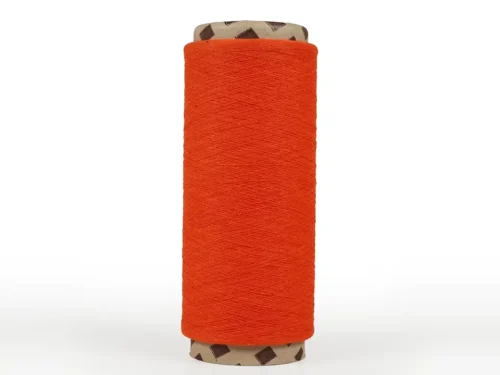
Beyond being environmentally friendly, regenerated yarns also compete in terms of quality and performance. Thanks to modern technologies, these yarns show performance comparable to that of traditional yarns.
Durability tests confirm that regenerated yarns are suitable for long-lasting products. This creates benefits for both manufacturers and consumers. Additionally, a wide range of colors and yarn counts allows them to meet various needs.
The Future of the Textile Industry and Regenerated Yarns
The textile industry is rapidly shifting toward a sustainability-oriented structure, with regenerated yarns playing a central role in this transformation. In the future, such eco-friendly production methods are expected to become widespread.
As consumer awareness grows and environmental regulations tighten, demand for regenerated yarn is increasing. Companies that invest in this technology gain a competitive edge. Pioneers like Seryaman Textile have recognized this trend early and assumed leadership in the sector.
Conclusion
The eco-friendly features of regenerated yarns are crucial for the sustainable future of the textile industry. Benefits such as water conservation, energy efficiency, carbon footprint reduction, and minimized chemical usage demonstrate the value of this technology. Furthermore, their role in waste management and the circular economy makes regenerated yarns an indispensable solution.
With rising environmental awareness and increasing sustainability pressure, regenerated yarn technology is expected to become even more prevalent in the future. Companies that adopt this approach early will gain significant market advantages. Therefore, regenerated yarn production is not only an environmental solution but also a smart choice for economic sustainability.


