

Sustainable Solutions Through Regenerated Yarn for a Greener Future
12 June 2025
The Environmental Impact of Regenerated Yarns: Facts You Need to Know
17 June 2025Recycled yarn production in the textile industry is critically important for sustainability. Thanks to modern technologies, it has become possible to produce high-quality yarn from waste materials. Eco-friendly production methods, energy efficiency, and quality standards form the foundation of industry transformation. Sustainable textile solutions offer both environmental and economic benefits, shaping the future of manufacturing with a circular economy perspective.
The textile industry is considered one of the most environmentally impactful sectors worldwide. In this context, recycled yarn production and sustainable textile solutions have become critical issues shaping the future of the sector. Thanks to modern manufacturing technologies, it is now possible to produce high-quality yarn from textile waste materials.
This article thoroughly examines sustainability approaches in the recycled yarn sector. Therefore, readers will gain comprehensive insights into eco-friendly yarn production processes, technological innovations, and industry transformation. Additionally, the article provides in-depth analysis of the economic benefits and future potential of sustainable textile production.
Fundamentals of Recycled Yarn Production
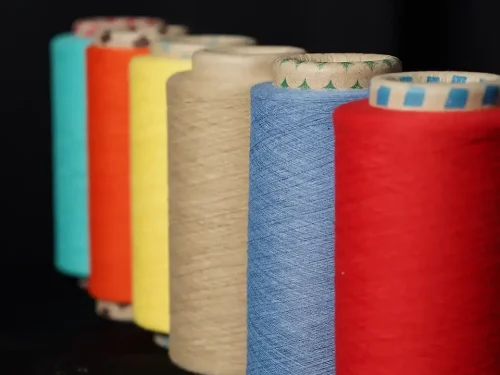 Recycled yarn production involves the reprocessing of textile waste materials into usable fibers. This process begins with the collection and classification of waste materials. Then, fibers are obtained through mechanical or chemical methods and prepared for new yarn production.
Modern recycling technologies enable the effective recycling of various fiber types such as cotton and polyester. In particular, rotor spinning (open-end) systems offer high efficiency in processing recycled fibers. Thanks to this technology, high-quality yarns ranging from Ne 6/1 to Ne 30/1 can be produced.
Implementation of Sustainability Principles
Sustainable yarn production is based on principles of minimizing environmental impact and using resources efficiently. This approach requires the adoption of eco-friendly methods at every stage of the production process. Key goals include reducing energy consumption, optimizing water usage, and minimizing waste generation.
Moreover, the sustainable production approach not only provides environmental benefits but also offers economic advantages. Factors such as reduced raw material costs, increased energy efficiency, and decreased waste disposal expenses positively affect the profitability of companies.
Eco-Friendly Production Technologies
Eco-friendly technologies used in the recycled yarn sector play a critical role in achieving sustainability goals. Firstly, mechanical recycling methods allow fibers to be reused without chemical processing. This approach minimizes environmental impact while ensuring high-quality outputs.
In addition, energy-efficient production systems and the use of renewable energy sources significantly contribute to reducing the carbon footprint. Modern production facilities enhance their environmental sustainability by utilizing clean energy sources such as solar and wind power.
Quality Standards and Certifications
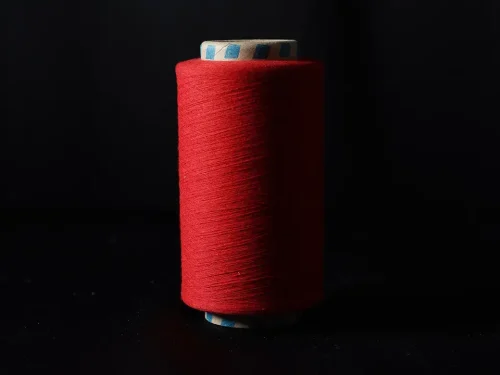 Quality standards in recycled yarn production are crucial for the reliability and performance of the products. International certification systems ensure that production processes comply with environmental and social criteria. Certifications such as the Global Recycled Standard (GRS), OEKO-TEX, and Cradle to Cradle play a leading role in recognizing sustainable textile products.
These certifications not only instill confidence in consumers but also strengthen the market position of manufacturers. Certified products are particularly preferred by environmentally conscious consumers and offer opportunities for premium pricing.
Industry Transformation and Future Perspectives
The textile sector is undergoing a profound transformation with the growing adoption of recycled yarns. This transformation affects not only production methods but also consumer preferences and market dynamics. Demand for sustainable textile products has shown a dramatic increase in recent years.
In the future, within the framework of the circular economy model, it is expected that textile products will be designed and produced according to sustainability principles throughout their entire lifecycle. This approach aims to minimize waste generation while maximizing resource efficiency.
Conclusion
Sustainability in the recycled yarn sector has become a necessity rather than a choice. Increasing environmental concerns, rising consumer awareness, and stricter regulations are driving textile manufacturers to develop sustainable solutions. In this context, recycled yarn production emerges as one of the most significant trends shaping the future of the industry.
In conclusion, the advancement and widespread adoption of sustainable yarn production technologies provide both environmental and economic benefits. Companies that adopt eco-friendly production methods without compromising on quality standards gain a strong competitive advantage. The future of the textile industry will be shaped around sustainability principles, with recycled yarn technologies at the heart of this transformation.


